Stivers Ford Lincoln - Montgomery

Blog / Troy Ford Oil Change

Blog

All Troy Ford Oil Change Bill Jackson Ford Bill Jackson Ford Service Troy AL Ford Dealership Troy AL Ford Dealer Troy AL Ford Service Troy AL Auto Loan Troy Ford Dealer Troy Ford Service Best Family SUVs Troy AL New SUV Troy AL Family SUV 2024 Ford SUVs Troy Used Cars Troy, AL Auto Parts Troy, AL Auto Service Ford Maintenance Troy AL Ford Maintenance Troy AL New Cars Troy, AL Auto Tune-Up 2024 Ford Expedition Troy, AL Car Engine Diagnostic Troy, AL Ford Expedition Ford Engine Diagnostic New Ford Expedition Troy Ford Expedition Troy, AL Brake Repair 2024 Ford Expedition Max 2024 Ford Truck Auto Loan Troy, AL Ford Loans Troy, AL New Ford Expedition Max New Ford Truck Troy AL Ford Explorer Troy AL Ford Trucks Troy AL Trucks Troy, AL Car Engine Service Troy, AL Ford Expedition Max Troy, AL Transmission Repair 2024 Ford Edge 2024 Ford Escape 2024 Ford Explorer 2024 Ford Mustang 2024 Ford Super Duty F-350 Best Trucks of 2024 Ford Battery Ford Finance Ford OEM Parts Ford Oil Change Ford Super Duty Trucks Ford Transmission Service Large Ford SUV Mid-Size SUV Troy, AL New Ford Edge New Ford Escape New Ford Explorer New Ford Super Duty F-350 Troy AL Ford Edge Troy AL Ford Super Duty F-350 Troy AL Mustang Troy AL Sports Car Troy Car Battery Troy Oil Change Troy, AL Car Battery Troy, AL Car Battery Replacement Troy, AL Car Battery Service Troy, AL Engine Diagnostic Troy, AL Ford Battery Troy, AL Ford Escape Troy, AL Oil Change Troy, AL Transmission Replacement 2024 Ford Edge Features 2024 Ford Explorer Trim Levels 2024 Ford F-250 2024 Ford F-350 SD 2024 Ford Mustang Trim Levels 2024 Ford Super Duty 3 Signs Your Car Needs a New Car Battery Ford Expedition Features Ford Expedition Max Safety Features Ford F-350 SD in Troy Ford Tires New Ford F-250 New Ford F-350 SD New Mustang Troy, AL Auto Air Filter Troy, AL Ford F-250 Troy, AL Ford OEM Parts Troy, AL Ford Parts Troy, AL Ford Transmission Troy, AL Mustang Troy, AL Super Duty Troy, AL Tire Repair Troy, AL Tire Replacement Troy, AL Tires Troy, AL Transmission Service Try, AL Ford F-350 SD 2024 F-250 SD 2024 F-250 SD Trim Levels 2024 Ford Escape Trim Levels 2024 Ford Explorer Features 2024 Ford F-350 SD Trim Levels 2024 Ford Ranger 2024 Mustang Mach-E Electric Sports Car Ford Battery Light Ford Brake Warning Light Ford Brakes Ford Dashboard Warning Ford Edge Features Ford Electric Cars Ford Engine Light Ford Ignition Coil Ford Oil Change Light Ford Ranger Troy How to tell if you need new tires Ignition Coil Troy, AL Mustang Mach-E Trim Levels New Ford Edge Features New Ford Expedition vs. Expedition Max New Ford Ranger New Ford Super Duty New Mustang Mach-E New Tires Troy The 2024 Ford Expedition vs. Expedition Max Troy, AL Brake Ford Replacement Troy, AL Ford Edge Troy, AL Ford Explorer Troy, AL Ford Finance Troy, AL Ford Ranger Troy, AL Ford Tires Troy, AL Ignition Coil Troy, AL Mustang Mach-E
check engine light 5

Understanding Your Ford's Dashboard Warning Lights

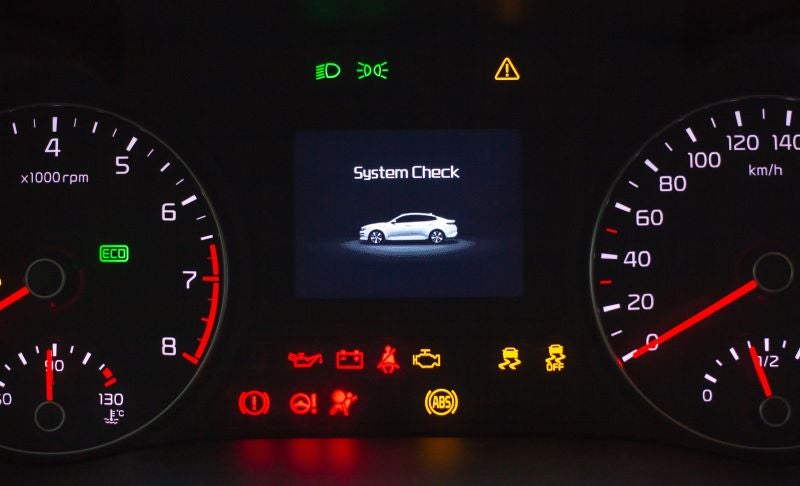
Your dashboard warning lights illuminate in response to potential issues affecting your Ford's performance or safety. Some lights refer to specific issues, like the brake light, while others refer to more general situations, like the check engine light. As your Ford dealer, we want to tell you more about some of these lights. From Your Ford Dealer: Understanding Your Dashboard Warning Lights ABS Light The ABS light looks like a circle surrounded by brackets with the letters ABS inside it. It refers to your anti-lock braking system that prevents your wheels from locking if your car gets into a skid. You can still drive with an illuminated ABS warning light, but it does make driving more dangerous until the fault is repaired. Battery Light This light looks like a line drawing of a battery. It illuminates if any problem occurs with the battery, alternator, voltage regulator, or any other part of the electrical system. Electrical system problems can result in a dead battery, starting problems, or random electrical issues. Our technicians can easily trace and repair electrical issues and this warning light will go out. Brake Warning Light Depending on your Ford model, this light appears as the word BRAKE or a circle enclosed with brackets with an exclamation point inside. It illuminates if your parking brake is still engaged or if sensors in the braking system detect a problem. Brake system issues can range from worn brake pads to a brake fluid leak. Driving with an illuminated brake light risks an accident. Coolant Temperature Light This light appears as a dipstick with three horizontal bars inserted into wavy lines. It warns that your coolant temperature is hotter than it should be. Coolant is responsible for removing heat from your engine to control the engine temperature. If this light illuminates, pull over ASAP and allow your engine to cool. Contact us right away so we can investigate and fix the problem. Engine Oil Light This light looks like an oil can with a drop of liquid falling from it. It lights up if there's a problem with your engine oil or its circulation through the engine. The oil might be old and need replacement, or the oil pump might have failed. Oil problems can cause your engine to seize up. We'll investigate and fix the problem. Powertrain Fault This warning light is only found on Ford models with a 4WD or AWD drivetrain, and it looks like a wrench. It illuminates if any fault is detected with this system. We advise against driving if this light is illuminated, as controlling your vehicle may be very difficult depending on the problem. Our technicians will find the cause of the trouble and repair it. If you have an illuminated warning light, contact our service department today at Bill Jackson Ford in Troy, AL.

auto service 4

Why OEM Parts Are Crucial for Your Ford's Performance

It may be tempting to buy aftermarket parts for your Ford, either to save money or try for a performance bump, but such endeavors can backfire. Your vehicle is carefully designed using OEM parts that work in perfect harmony, extracting the best blend of performance and efficiency. By letting your Ford dealer service your car or truck, you can be sure only the best parts are used. Why OEM Parts Are Crucial for Your Ford's Performance Quality and Reliability OEM components are precisely engineered to meet the specifications and standards set by Ford. They're typically made by companies with substantial R&D departments and/or stringent quality-control procedures. By using original parts, you'll have confidence in their durability and reliability, knowing they are the same parts factory-fitted into your vehicle when it was new. Ford uses numerous OEMs (Original Equipment Manufacturers) to supply parts, including its in-house Motorcraft division. Aftermarket parts, not being made or fitted in cooperation with Ford, are often reverse-engineered or poorly made with cheap materials to minimize their price. They could end up costing you far more money than you initially saved, or worse. Compatibility Using original parts ensures they will integrate seamlessly with the existing systems in your Ford. This compatibility is vital for maintaining optimal performance. Aftermarket parts don't always have the same compatibility, which can lead to issues with fitment and functionality. For instance, poorly fitting parts for air intake systems (e.g., air filters, intake tubes), exhaust systems, or suspension systems can seriously harm performance. Aftermarket ECUs are often installed for performance reasons (e.g., enhanced fuel mapping or throttle response, increased power), but that can lead to compatibility issues with existing systems and adversely affect both performance and reliability. Improper tuning can also accelerate wear on engine parts and often increase emissions while reducing fuel efficiency. Safety Concerns Performance and safety are closely linked aspects of driving. Suspension affects the way a car handles, for example, in its cornering, weight distribution, and ride quality. Installing substandard or poorly fitting suspension parts could compromise the vehicle's handling, especially in an emergency when flaws are placed under strain. All parts that influence steering, handling, or the car's ability to stop must fit and work perfectly. Let Your Ford Dealer Service Your Ford A qualified technician at your local Ford center will only ever install OEM components in your vehicle. Not only does that ensure optimum performance and reliability, but it also keeps any Ford warranty valid. You can legally install an aftermarket part without voiding your warranty, the problem being it will invalidate a claim if it's the root cause of a problem. Contact Bill Jackson Ford in Troy, AL for all maintenance inquiries or to schedule your next service using genuine Ford parts.

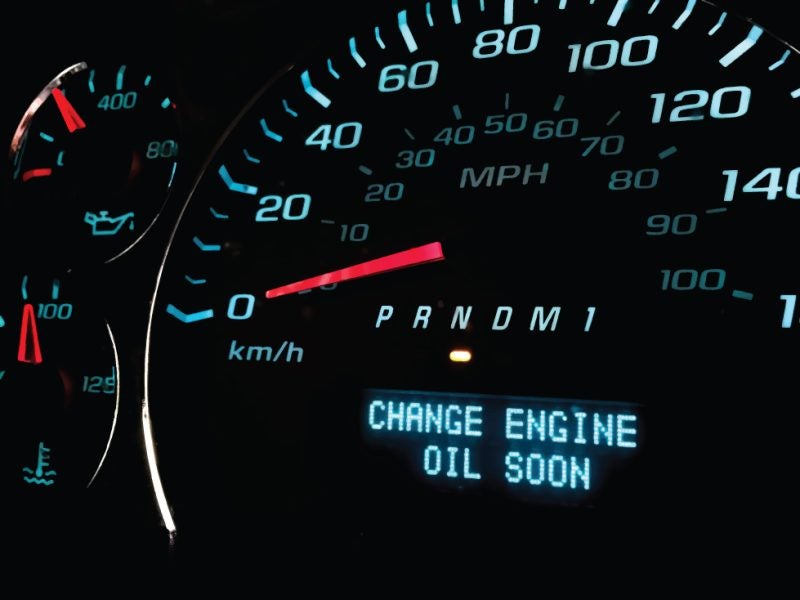
Change,Oil,Soon,Warning,Light,On,Dashboard

Is Your Ford Due for an Oil Change?

You are probably aware that the oil is important for your car's engine, yet oil changes are no one's idea of fun. They're absolutely essential to ensure that your Ford runs reliably for as long as possible, though, and when it's time for a change, there's no better place to get it done than at your Ford dealer. Time for an Oil Change From Your Ford Dealer? Engine oil serves several vital functions in your Ford, so let's go over those to convince you why you shouldn't skip this service. First, oil lubricates the moving parts, reducing friction and preventing wear and tear as it does. It also helps keep the engine cool by dissipating heat and removing contaminants that can build up over time. Without regular oil changes, the oil becomes dirty and less effective, which can lead to increased friction, overheating, and even engine failure. Signs Your Ford Needs Fresh Oil There are several indicators that your Ford might be due for a change, so you're not just looking for one thing. One of the most obvious signs is the oil light on your dashboard, of course. Modern Fords are equipped with sensors that monitor the condition of the engine oil and will alert you when it's time for a change. Another sign to watch for is dark and dirty oil. Fresh engine oil is typically amber and translucent. As it gets used, it becomes darker because it's getting filled up with particles of dirt and debris. You can check the oil's condition by pulling out the dipstick, wiping it clean, reinserting it, and then pulling it out again to inspect the oil. Something else to watch for is a knocking or rumbling sound coming from the engine, which can indicate that the oil isn't providing adequate lubrication. Decreased fuel efficiency is another clue. If you find yourself filling up your gas tank more often than usual, it could be because the engine is working harder due to dirty or insufficient oil. How Often Should You Change the Oil? The frequency depends on the model of your Ford, your driving habits, and the type of oil you use. Generally, it's recommended to change the oil every 3,000 to 5,000 miles for conventional oil and every 7,500 to 10,000 miles for synthetic oil. However, it's best to consult your owner's manual. If you're proactive and get the oil changed out regularly, you can always be confident that your vehicle engine is protected and that your Ford is going to keep running and performing just as you expect. Come see us at Bill Jackson Ford in Troy, AL for this or any other maintenance service.

Contact Us

Fill out this form below and we'll contact you shortly
*Required Fields